


Our Expertise
Comprehensive Custom Services

Design + Build
Full-service architectural design and construction, from conceptual 3D renderings to final walk-through. Experience your vision in virtual reality before breaking ground.

Custom Fabrication
Bespoke furniture, fixtures, and architectural elements crafted in our workshop. From hand-forged metal to artisanal woodwork, we create the impossible.

Restaurant & Hospitality
San Diego's go-to builder for high-end dining establishments. Complete kitchen design, custom booths, atmospheric lighting, and turnkey restaurant solutions.

Custom Residences
High-end custom homes that reflect your lifestyle. From coastal contemporary to timeless traditional, we build homes that become architectural landmarks.
FEATURED WORK
Our Portfolio


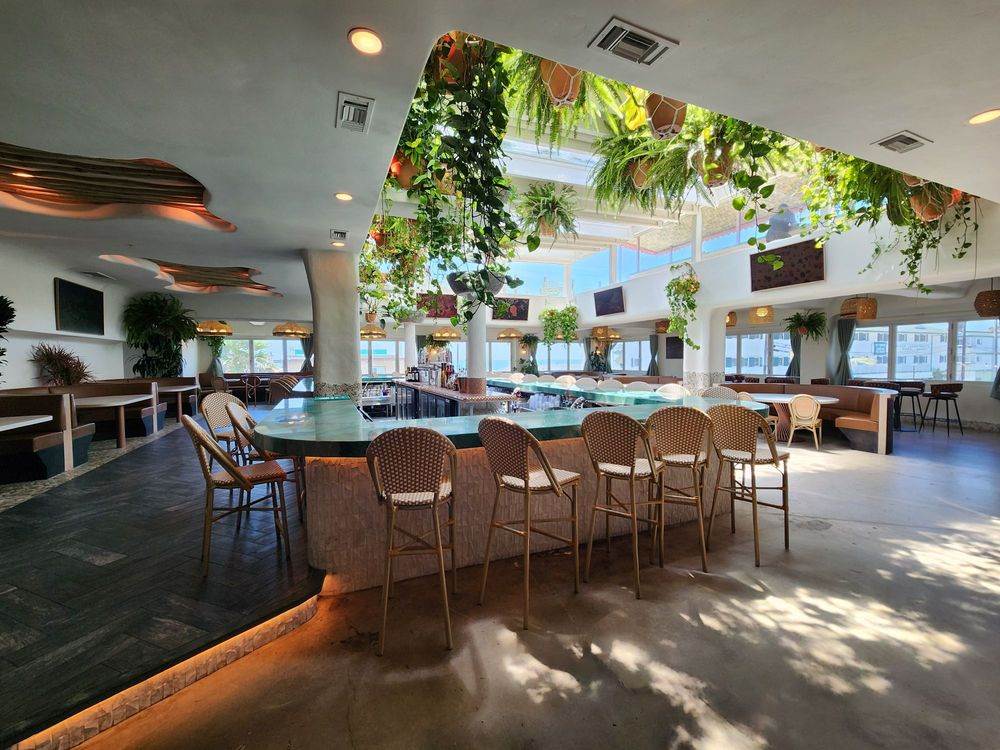
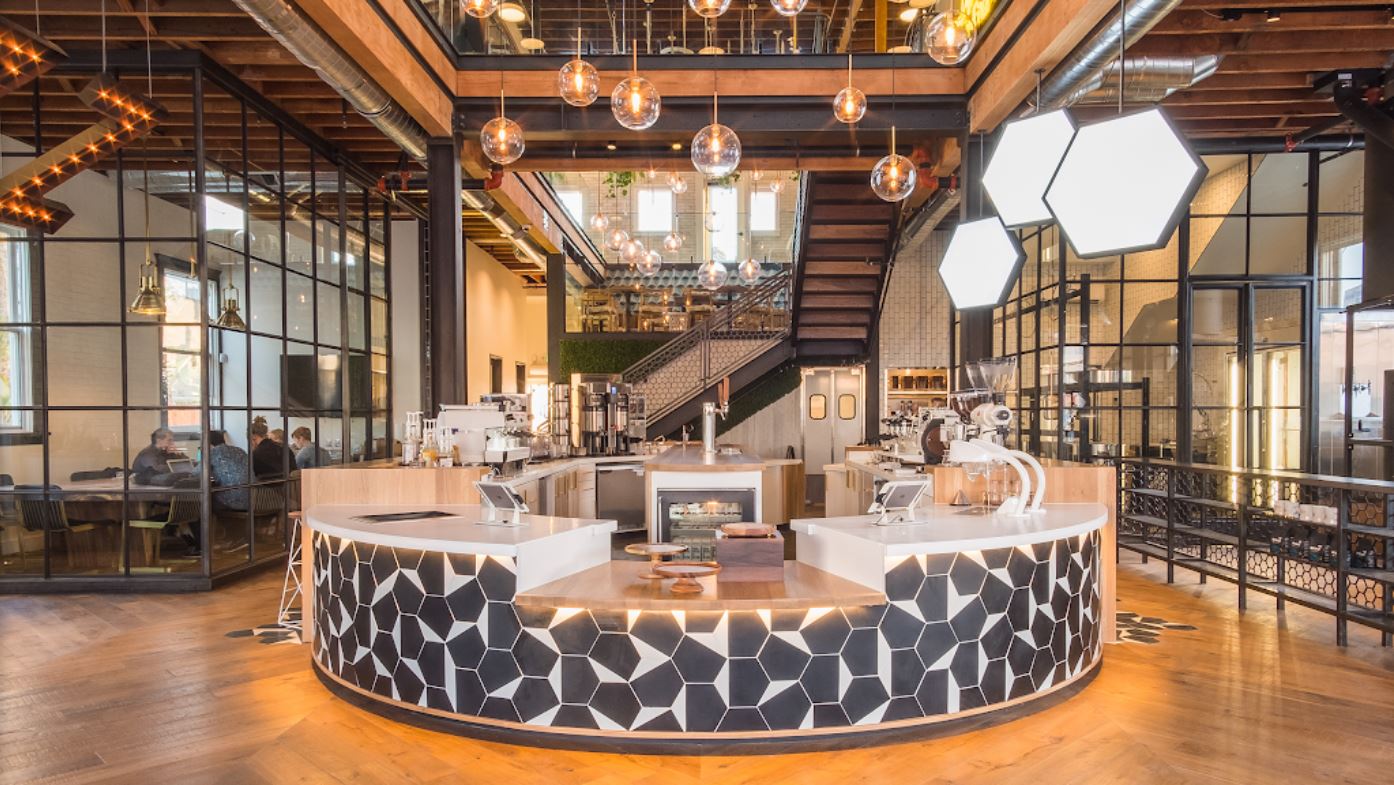


Established Excellence
Defining Custom Construction
Where Vision Becomes Reality
For 17 distinguished years, Equity Builders Inc. has been the silent force behind San Diego's most celebrated restaurants, bars, and custom residences. Our integrated approach combines visionary design with meticulous craftsmanship, creating spaces that transcend the ordinary.
From the intimate ambiance of La Jolla's finest dining establishments to the architectural grandeur of Point Loma's boutique estates, we don't just build spaces—we craft experiences. Our in-house design studio, custom fabrication workshops, and master craftsmen work in symphony to deliver projects that define excellence.













Ready to Create Something Extraordinary?
From vision to reality, we transform ambitious ideas into architectural masterpieces. Let's discuss how we can bring your custom project to life.
GET IN TOUCH
Start Your Project Today
Ready to bring your high-end restaurant vision to life? Contact us to discuss how we transform complex visions into thriving realities.
Project Consultation
Tell us about your vision